
 Jesse Hitt • 18 Jun 2026 • 6 min read
Why an HOA Newsletter Belongs in Every Community’s Communication Rhythm
Key Takeaways
- A consistent newsletter gives residents one reliable place to find updates, dates, reminders, and decisions.
- Reusable template sections make it easier to produce a quality issue every month without starting from scratch.
- Mobile-first formatting helps residents scan from a phone.
- Repeating timely information helps important messages land with residents who missed the first announcement.

Strong HOA management depends on communication that’s steady, useful, and easy to follow. But many communities still run on scattered channels: a board email here, a Facebook post there, a text thread that includes almost everyone, and a printed notice that inevitably ends up in a recycling bin.
That fragmentation creates two familiar problems:
- Residents get too many pings to know what matters.
- Residents hear from the board only during a crisis, a rule reminder, or a dues increase.
A simple HOA newsletter drives a healthier community rhythm. It becomes a dependable touchpoint where residents can see what happened, what’s coming up, and what action matters this month. For board members and managers, it also reduces repetitive questions because the answers can always be found in one predictable place.
Start Simple With an HOA Newsletter Residents Can Finish
Most HOA newsletters circle the same handful of communication themes. Once you’ve built those out as templated sections, every new issue becomes a matter of picking what’s relevant and swapping in fresh content. Keep the whole thing under five minutes to read, and you’ve got a format residents will actually finish.
A few common ones:
- Community update: Share one specific project, such as gate repairs, landscaping changes, or new pool hours.
- Policy reminder: Focus on one action residents can take now, such as where to park guest vehicles.
- Neighborly moment: Thank volunteers, recap a gathering, or share a small community win.
- Website nudge: Link to a helpful page so residents build the habit of finding answers online. This supports software adoption because people return to tools that solve real problems.
You don’t have to use all of them every month. A June issue might include a community update on the pool, a reminder about trash cans after pickup, and a website nudge to the events calendar. Pick what’s timely. Save the rest for next month.
Simple beats resonate because simple gets sent, and simple gets read. A designer-built template can make the process cleaner later, but a clear first issue matters more.
Centralize the Workflow So the Newsletter Feels Lighter
A newsletter becomes exhausting when it’s treated as a writing assignment. A better workflow pulls from what the board already does.
Meeting notes, event dates, project updates, budget reminders, and policy links can live on the community website. The newsletter then becomes a short digest of current board activity instead of a brand-new production every month.
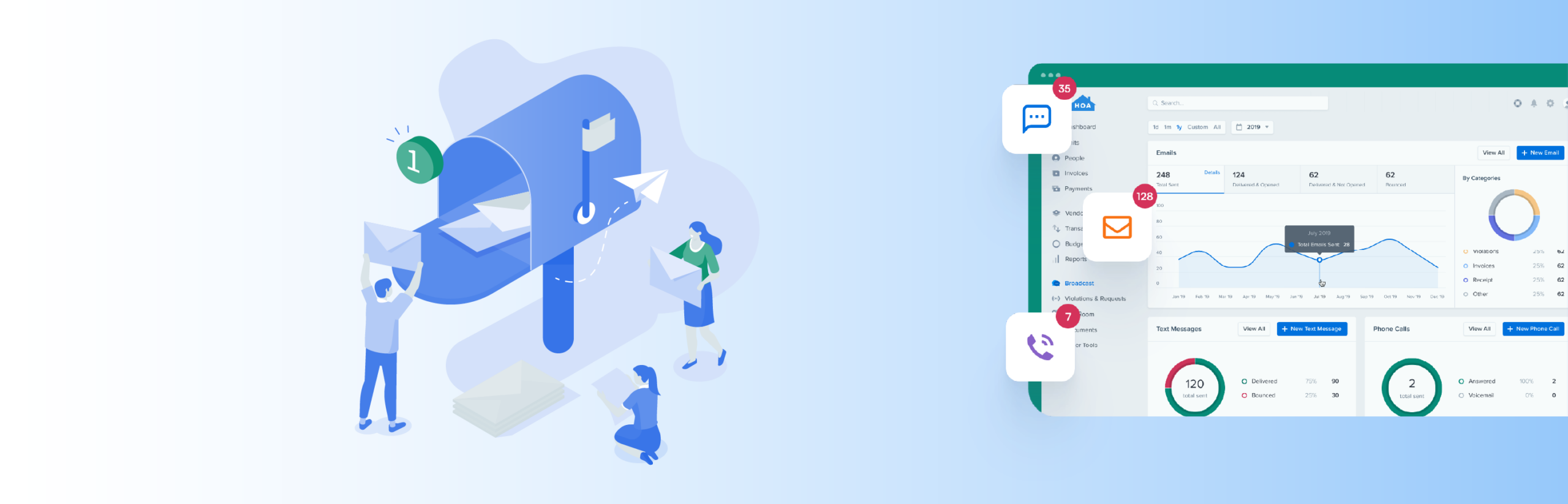
This is where centralized software matters. When board notes, documents, budgets, message boards, calendars, and communication tools operate as one system, updates are easier to find and share. The board posts information once, then reuses the best pieces in the next newsletter.
Why Consistency Beats a Polished Masterpiece
Residents rarely need a showpiece. They need useful information regularly.
Consistency builds confidence because residents know when updates are coming. It also softens the tone of community communication. When the board sends regular touchpoints, every message carries less drama. A reminder about pruning guidelines feels less like a warning when it appears alongside event dates and project updates.
Regular newsletters also make the board’s job easier. If residents have already seen the meeting date, payment reminder, and amenity update, fewer people send the same question. That time savings matters for volunteers and professional managers alike.
Design for Mobile Readers
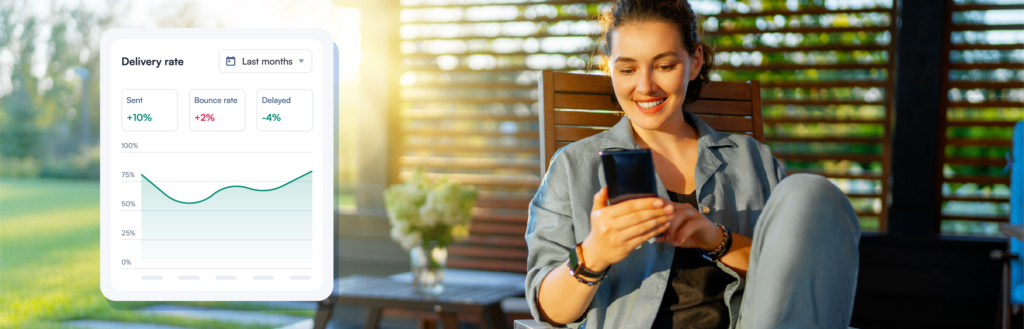
Many residents read community updates on a phone while standing in line, walking the dog, or pretending not to check email during soccer practice. Design your messaging for them and the reality they live in.
Keep paragraphs to two or three sentences. Use clear section headers so skimmers can find the update they came for. Add white space between sections to make content more digestible and easier to consume on a small screen.
Subject lines also carry more weight on mobile. Put the most important information first because inbox previews cut off quickly. “Pool opens Saturday” works better than “June community newsletter and several important updates from the board.”
Plain language guidance encourages clear organization and wording so that people can understand the first time. Residents want the point, the date, and the action.
Accessibility also matters. An email accessibility checklist highlights meaningful link text, readable structure, and clear formatting. Those practices help everyone, including residents using assistive technology.
Reuse Timely Information Without Apology
Boards often hesitate to repeat themselves because the information feels old. But residents experience it differently. Many people missed the meeting summary, skimmed the website post, or saw the last email while making dinner and mentally filed it under “later,” which is where many emails linger on their way to the recycle bin.
Relevant information earns another appearance. Annual meeting dates, assessment deadlines, pool rules, gate code updates, trash schedules, and parking reminders all deserve repetition when residents still have time to act.
The simple rule of thumb is to ask whether the information matters right now. If it does, include it. A useful newsletter repeats the right things at the right time.
This approach also helps with future HOA newsletter templates. Build recurring sections for “Upcoming Dates,” “Friendly Reminder,” and “From the Website.” The format stays familiar while the content changes.
Add Enough Personality to Feel Human
A good newsletter can sound like it came from neighbors who care, because a good newsletter did. Add a little warmth without turning the update into open mic night.
Try a seasonal line, a quick poll, a volunteer thank-you, or a resident photo prompt. Local shoutouts work well when they’re specific and sincere. “Thanks to everyone who helped clean up after the picnic” lands better than a generic “community spirit” paragraph.
Make Communication Easier With the Right System
The best newsletter is the one that regularly gets sent, opened, and understood. It needs a sustainable workflow, a clear format, and a reliable way to reach residents across channels.
PayHOA’s communications features help boards send email, text, phone, and mail updates from a single platform, keeping residents informed without adding another scattered tool to the mix. When communication lives beside documents, payments, calendars, and community records, the newsletter becomes part of a smarter management system. It might even become part of a beloved community culture.
Start small. Send consistently. Give residents useful updates in a format they can finish before their coffee gets cold.
Share this article:
Enjoyed this Article? Try Another!
How to Drive HOA Portal Adoption in Your Community
Key Takeaways Board members and community managers ask the same question all the time: “We…

The Guide to Washington HOA Laws
Key Takeaways Timing is critical when dealing with Washington HOA laws. Most HOAs established before…
The Guide to New Jersey HOA Laws
Key Takeaways Following your own governing documents should be the extent of the job. In…