
The State of Community and Association Management: Trends, Regulation, and Technology Shaping the Future
Executive Summary
When community leaders are equipped with the right tools and direction, they can streamline operations, make smarter financial decisions, and spend less time on busywork. They can be fully present for association membership and focus on the bigger picture. They can dedicate their time to building stronger, safer, and more connected neighborhoods that residents are proud to call home.
By clarifying the current state of the industry and providing practical guidance on what leaders can do to meet expectations, this resource aims to deliver both day-to-day benefits and long-term transformation. Day-to-day benefits include saving time, cutting costs, reducing complexity, and building trust. Long-term transformation elevates community leadership from an often thankless, overwhelming responsibility into a respected, rewarding role.
Let’s begin with the on-the-ground realities faced by HOA boards and Property Management Companies (PMCs) today, trace the market forces driving them, and map the practical path forward.
Section 1 – The State of the Market
The Everyday Reality of Community Management
From the outside, community management seems straightforward: collect dues, run a few meetings, and send the occasional notice. Maybe plan a neighborhood get-together. How hard can it be?
In reality, it’s anything but simple. Here are just a few of the overwhelming tasks and challenges of association management:
- Juggling multiple apps, spreadsheets, social media platforms, and manual processes just to answer basic homeowner questions
- Reconciling bank statements, chasing overdue payments, and managing compliance headaches
- Hand-delivering dues and violations reminders
- Dealing with low participation, late-night board meetings, and resident disputes
Whether you’re a volunteer board member contributing on nights and weekends or a management company working full time, the work is constant, complex, and often thankless. This is the backdrop against which today’s larger industry challenges play out.
These pressures are symptoms of a modernizing world with higher expectations from homeowners accustomed to the accessibility and convenience of technology. That evolution is reshaping community management.

Why We’re at a Pivotal Crossroads
Gone are the days of casual neighborhood meetings over coffee and donuts, relying on a simple ledger and paper filing system to handle accounts and paperwork. With nearly two-thirds of new homes now built within HOAs—the second-highest percentage on record—and legal requirements continuing to expand, community leadership faces greater scrutiny and higher expectations than ever.
Modern association challenges include:
- Reputation & Trust Gap: Public perception of HOAs continues to be a divisive topic, often fueled by negative social chatter and resident frustrations. Without greater transparency and professionalism, boards risk losing trust. (Some already have.)
- Leadership & Continuity Challenges: High board member turnover, short service terms, and volunteer fatigue leave boards without institutional memory. Knowledge-transfer gaps destabilize operations, creating inconsistency and overwhelm.
- Regulation & Compliance Pressure: Expanding state and federal requirements (e.g., AML, GDPR, mandatory websites) raise the bar. Modernizing is, in some cases, a mandatory baseline expectation.
- Digital Transformation: What was once a gradual shift to digital is now the baseline expectation. Automated payments, bookkeeping tools, and modern communication methods (email, text, phone, websites) are essential to meet compliance standards and resident expectations.
- Rising (Homeowner) Expectations: Residents expect their HOA to offer the same level of on-demand digital service as their Amazon deliveries. The right tools can help leaders meet those expectations while bringing order and restoring trust.
Taken together, these pressures are symptoms of broader market trends reshaping how communities are managed. The following section maps those trends and what they mean.
Section 2 – Market Trends Reshaping Community Management
Financial Management: From Manual Risk to Reliable, Audit-Ready Operations
In the past, association leaders and volunteers could manage community finances however they chose. Those methods were often laborious, paper-driven, and rarely up to best-practice standards. Current leaders may have inherited mom-and-pop systems that involve file cabinets full of paper, old ledgers, and a patchwork of software applications, which now fall woefully short of meeting the community’s complex financial needs. Not only do these outdated manual systems lead to overwhelm and frustration, but they can also cause mistakes and mismanagement.
What are the current expectations for financial management?
- A Backbone of Credibility: Sound financials underpin homeowner trust. Transparent bookkeeping and accurate billing are essential. Tax compliance is non-negotiable. Most boards and property management companies must meet professional standards without CPA-level experience or credentials.
- Compliance & Standards: Community leaders and management companies are responsible for issuing 1099s, filing for 1120-H status, and maintaining accurate records and categorization. Self-managed associations often fail to meet minimum bookkeeping standards. These HOAs risk non-compliance and expose their organizations to fraud and embezzlement.
- Legacy & Generic Digital: Many associations still rely on legacy accounting methods, such as paper checks and spreadsheets, as well as generic tools and technologies like QuickBooks and Excel. These outdated tools weren’t necessarily designed for community associations, and weren’t intended to manage the complexities of dues and assessments, multiple budgets, or reporting. Users are forced to resort to tedious workarounds that are stressful and high-risk.
- Purpose-Built Platforms: The industry is moving toward reliance on platforms specifically designed to meet community management needs. Purpose-built platforms provide essential tools, including integrated invoicing, payments, bookkeeping, and banking. These platforms reduce errors, speed up reconciliation, ensure consistent income, and increase confidence in reporting and compliance. They also significantly reduce mental fatigue for board members, treasurers, and other leaders responsible for financial management.
What’s the outcome of meeting these expectations? Your organization will maintain accurate, transparent financials, staff and volunteers will accomplish more with less time, stress, and effort, and homeowner expectations will be fulfilled, thanks to increased transparency and professionalism.
Communities that have made these changes report growth in digital invoicing and online payment adoption, higher collection rates and more consistent income, and improved compliance readiness.
These benefits are backed by real-life case studies:
- Providence at Stonegate HOA in Indiana saved $70K in its first two years of software use and reported tremendous positive feedback from satisfied residents. President Doug Drummond said, “It was a great way to separate from paying an expensive management company that we frankly didn’t feel like we were getting good services with. And it was a great way to become self-managed. It’s made running our community a lot easier…The residents couldn’t be happier.”
- The small lakeside HOA community of Knickerbocker Ridge in California experienced smooth sailing with resident compliance. Thanks to the simplicity, transparency, and financial automation of PayHOA’s platform, Treasurer Cheryl Cox reported, “Complaints of violations of the community covenants, conditions, and restrictions are quite literally non-existent.”
Communications & Operations: Transparency Becomes Standard
Modern communication has not only transformed how people connect one-on-one, but also raised expectations for organizations that serve community groups. New communication methods and standards have naturally made their way into every industry, and association leaders and management companies need to keep up. Purpose-built platforms can help your leadership team meet modern expectations with less effort and improve resident satisfaction.
- Expectations Keep Rising: Sensing a theme here? Homeowners expect responsiveness, clarity, and convenience. They don’t want a flyer in their mailbox, and they may not give a community bulletin board at the clubhouse or pool more than a passing glance. They want digital communication via email and SMS, and they expect easy access to updated information on websites and mobile applications.
- Official Channels Win Out: Neighborhoods that rely on unofficial platforms like Facebook groups or Nextdoor open themselves up to confusion and conflict. Information on these sites is often fragmented, outdated, or incorrect, leading to frustration and misinformation. Best practice means treating the association’s website as the single source of truth and using email, SMS, and phone to reach all demographics in your community in a scalable manner.
- Participation Tools Engage: Online voting, surveys, and event announcements increase involvement and improve community sentiment. Amenities scheduling provides transparency, prevents confusion, and simplifies leaders’ daily responsibilities. (No more penciled-in reservation requests on a paper calendar!)
- Core Workflows Digitize: Experiencing inbox and paperwork overwhelm? A purpose-built platform can help on multiple fronts:
- An efficient platform can create a scalable workflow for community requests, such as ARC reviews and maintenance, keeping them out of your inbox and ensuring the right visibility and prioritization.
- Violations include clear audit trails to consistently and confidently enforce CC&Rs.
- Centralized, secure document storage keeps everything organized and easy to find.
The right tools lead to fewer disputes, faster resolution, and greater community cohesion.
PayHOA supports these outcomes at scale, sending millions of messages annually and processing tens of thousands of requests and violations. And our newer features are already making an impact. Early adoption data shows that digital voting and community websites with built-in AI chatbots are creating centralized hubs for engagement, driving higher participation, and making it easier for residents to get answers.
Safety and Security: Protecting Your Sensitive Data
More oversight and regulations mean community leaders must meet higher expectations for managing sensitive community data and financial information. That task may feel extremely daunting for volunteers who enter their roles without experience with this kind of responsibility.
Acknowledging the Risk Landscape
Self-managed associations and management companies are entrusted with Personally Identifiable Information (PII) and payments. Community boards must take preventive measures to protect private information and handle funds with utmost integrity. Unfortunately, incidents of fraud and identity theft are on the rise. As an added impetus, boards face liability for mishandling PII and funds, making responsible management imperative.
Meeting the Security Baseline
We’re long past the days when document security meant locking residents’ documents in a file cabinet. With most document storage and payment migrating online, digital security is a must. Some cyber terrorists intentionally target HOAs as easy victims, so it’s essential that your organization implement proactive security measures (no matter how small you might be). Baseline expectations include encrypted payments, secure storage of documents and PII, role-based access, fraud prevention, and audit logs. Vendor due diligence is now routine.
Solidifying Trust
Implementing thorough security measures reduces fraud and prevents liability issues. It also makes it easier to share data and documents confidently when the need arises.. It protects your organization from cyber attacks. Best of all, it solidifies homeowner trust.
At PayHOA, we’ve helped community treasurers and leaders process millions of payments securely, with bank-level encryption protecting every transaction.
Regulatory & Regional Complexity: Different Rules, Same Operational Needs
There is no national standard for community management. Requirements often vary by state and sometimes even by municipality. Depending on location, different regulations apply across a range of areas, like required certifications, voting methods, notices, record retention, reserve studies, disclosures, accessibility, board training, and cybersecurity.
Here’s how some states are setting the pace:
- Florida: With the adoption of HB 1203 and HB 59, HOA leaders must comply with new regulations. These include post-tragedy reforms in safety, inspections, and reserves, as well as specific requirements for websites and notice rigor.
- Texas: The state’s fast-growing HOA market has prompted new laws that emphasize homeowner rights and board transparency.
- California: HOA leaders in California must comply with strict requirements for disclosures, reserve studies, and digital accessibility.
Community and association leadership teams need tools that empower them to meet their local requirements. They need configurable templates and clear audit trails. Platforms that adapt to meet state-by-state expectations reduce compliance risk and administrative burden.
Section 3 – A Better Way Forward
How can community leadership respond to current trends with productive action? The following specific tools, workflows, and best practices reduce complexity, ensure compliance, improve communications, and build trust for self-managed associations and management companies.
Leveraging Tools & Technology
Technology and tools are constantly adapting to meet associations’ growing needs. How can existing tools and technology ease your workload and help your association thrive?
For Self-Managed HOAs:
Affordable, intuitive platforms now make professional-grade management accessible to volunteers. You don’t need to be a CPA or hold a law degree to manage HOA finances and comply with local regulations. Purpose-built platforms for community association management can help you:
- Simplify finances and streamline operations.
- Automate communications and reporting across email, text, phone, and websites.
- Ensure visibility and compliance without depending on an outside firm.
- Eliminate busywork so leaders can focus on community building.
For Management Companies:
Management companies need tools to simplify, streamline, and automate their workload. Modern platforms reduce manual overhead and unlock scale. Robust software can help you:
- Manage multiple communities from one place.
- Demonstrate transparency and ROI to boards.
- Liberate staff for service, retention, and growth.
Convergence: One Platform, Purpose-Built for Community Management
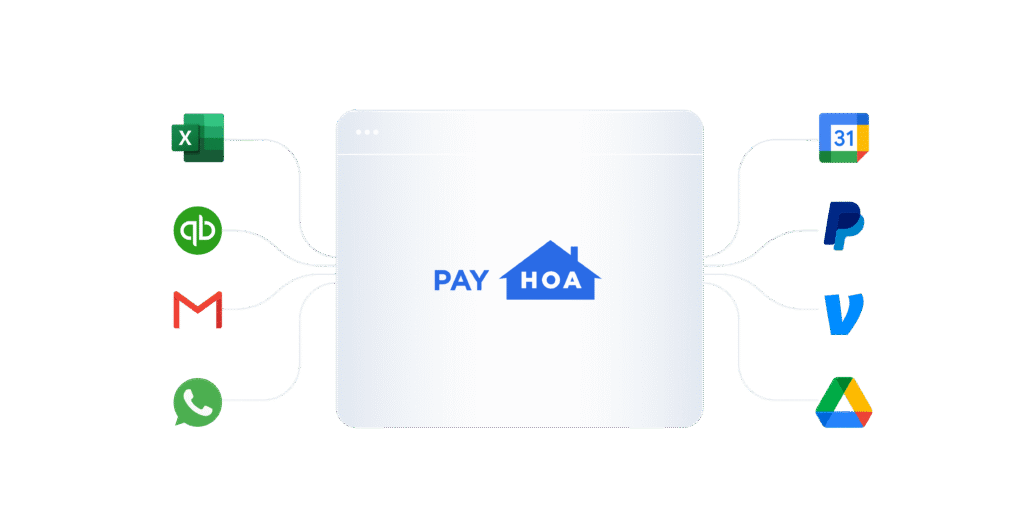
Communities are moving away from a patchwork of generic point solutions and toward integrated platforms that connect financials, communication, security, and compliance in a single, comprehensive platform. This change transforms the way association leaders and management companies run the communities they serve. It significantly simplifies leadership’s administrative work on the front end, and it yields a positive, streamlined experience for residents on the receiving end.
Why Make the Change Now?
Complexity and risk increase with every additional tool you use. Toggling between paper documents, QuickBooks, Excel, and other one-off solutions wastes time and invites mistakes. Boards and community managers need fewer handoffs, fewer logins, and one audit trail. Working within a single platform lowers risk while improving efficiency and visibility.
What Are the Benefits of Relying on a Single Platform?
The benefits of turning to a single solution are plentiful—even game-changing.
Self-managed associations immediately achieve financial savings by avoiding the large fees levied by management companies. But the bigger story is consolidation. You do better than save money. You conserve precious time and energy.
Most self-managed communities rely on freemium or general-purpose platforms that are not designed to support association needs. These patchwork solutions create sprawl and force leaders to work around cumbersome tools. Consolidating everything into a single, easy-to-use platform specifically designed for community management simplifies processes and streamlines administrative work across communication, financials, and daily operations.
As previously mentioned, this shift saves time and effort and reduces the risk of errors caused by manual entries, clunky workarounds, and inefficient information transfer. Ultimately, it yields cleaner analytics, a consistent homeowner experience, and a more straightforward solution for staff and volunteers.
With a single platform, management companies can run all their communities from a single dashboard. No more toggling between logins, apps, and spreadsheets. That means less time on admin, more time on service and growth.
A Blueprint for Resilient Communities
The goal of community management is to create a system and culture that sets your community up for long-term success through excellent management and stands the test of time. What essential components form the blueprint for resilient communities?
- Handle financials and compliance competently.
- Normalize clear, consistent communication.
- Keep operations efficient and scalable.
Combine these components, and you get stronger, more connected communities for both self-managed associations and management companies. Residents and leaders alike enjoy peace of mind. Communities maintain unity and avoid conflict. Expectations are met and surpassed. All this paves the way for a healthy, growing community that flourishes year after year, even when leadership changes hands.
Section 4 – The Future of Community Management
The same forces driving modernization in community management today are setting the stage for AI to automate routine work and elevate the role of association leaders in the future.
Why the Future Looks Different
Rising expectations for professionalism, transparency, and digital convenience are intensifying. Moving forward, the most significant shift will come from AI technologies reshaping community management.
AI as the New Backbone of Community Management
With AI performing more of the “busy work” that historically dominated leaders’ schedules, board members and volunteers will be free to focus on the more important, relational aspects of community leadership.
- Self-Management Reimagined: By automating routine tasks like sending reminders, tracking compliance, and drafting documents, AI will make it easier for volunteer boards to run communities without burning out.
- Scalable Community Management: Thanks to AI-driven efficiency, management companies will be able to manage more communities per staff member and focus on growth and service quality (e.g., financial reconciliation, responding to resident inquiries, and triaging requests).
- Predictive & Proactive Management: Instead of reacting to issues, leaders will stay ahead of the game because AI can potentially forecast financial risks, anticipate homeowner concerns, and flag compliance gaps before they become problems.
The Rise of the “Digital Property Manager”
Artificial Intelligence is paving the way for many aspects of property management to be digitally automated. As these capabilities mature, platforms like PayHOA will evolve into something like a “Digital Property Manager”—handling routine tasks so volunteers and leaders can focus on responsibilities that require a human touch and relational investment. Practically speaking, what will this shift look like?
- Homeowners will interact with an AI agent for answers to common questions about payments, rules, and documents.
- Boards and administrators will receive automated reporting, reminders, and compliance alerts.
- Management companies will rely on AI to handle first-line resident support, freeing staff for higher-value tasks.
How PayHOA Aligns with Industry Trends and Expectations
We have seen rapid AI adoption across industries, and early signals indicate that community association management is following suit.
In a 2025 survey conducted by the Foundation for Community Association Research, 71% of respondents (including association managers, business partners, volunteer leaders, and company executives) reported using AI for a range of tasks. These tasks included things like meeting summaries, scaling communication, financial management, and more.
PayHOA is keeping up with this change by a commitment to ongoing platform evolution. Our future vision involves embedding AI into core workflows. As technologies develop and expectations grow, so do we. We are committed to offering the best tools to help communities and their leaders thrive.
Outcome: A Smarter, More Sustainable Model
What does all this mean for the future of community management, and what specific benefits will AI contribute to your digital property management solution?
- AI will enable boards to focus on leadership rather than endless administrative work.
- Management companies will scale without adding proportional headcount.
- Homeowners will receive faster, clearer responses, increasing trust in their association.
An AI-supported digital solution means achieving more productivity in significantly less time. It means consistent compliance and clear communication. Leaders exceeding expectations without becoming overwhelmed. Residents receiving swift responses and satisfying resolutions. Big picture? It means happier, healthier communities.
Our mission at PayHOA is to be a trusted partner who combines powerfully simple software with intelligent AI, services, and world-class support to reshape community management for the future.

Section 5 – Key Takeaways & Next Steps
Recap of the Guide’s Main Insights
- Community management is at a crossroads, and there’s no better time to step into the future.
- Excellent financial oversight is foundational to building trust and sustaining healthy communities.
- Communication and management trends are redefining leadership models and expectations.
- Safety and security are non-negotiable.
- Regional nuances shape what effective community management requires.
- AI will play a significant role in shaping the industry’s future.
Actionable Steps for Boards and PMCs
To build a resilient, future-ready community, association boards and management companies should start with the fundamentals and progressively adopt more advanced capabilities. Specific first steps include:
- Embrace digital financial management.
- Prioritize transparent communication and operations.
- Protect community data and information.
- Stay ahead of regulations and requirements.
The Path Forward
You don’t have to take these steps alone. A platform like PayHOA, designed explicitly for community management, offers:
- An easy-to-use platform that allows volunteers, boards, and staff to make the transition quickly and confidently.
- Impactful software that solves the core problems of finance, communication, compliance, and engagement.
- AI-enabled tools that help you keep pace with modern expectations while saving time and energy.
- Free, unlimited support for onboarding and all of your ongoing needs, so boards and managers are never alone.
Our comprehensive platform meets communities where they are today, and our commitment to AI-enabled possibilities means we’ll keep growing with you into the future.
Section 6 – Methodology
Research Approach
This guide was developed through a combination of primary and secondary research, including AI-powered research, industry reports, case studies, and insights from key associations and partners. Insights were also informed by PayHOA platform data and content, reflecting real-world usage patterns across thousands of communities.
Enjoyed this Article? Try Another!

HOA Communications and Rule Changes: How to Communicate Without Backlash
Key Takeaways A new landscaping rule lands in community members’ inboxes on a Saturday morning…
The Guide to Missouri HOA Laws
Key Takeaways Serving on your HOA’s board means knowing more than the association’s declaration, bylaws,…

HOA Accounting Basics: How to Read Financial Statements, Reconcile Accounts, and Build Report Packets
Key Takeaways Most volunteer board members inherit a financial system with no documentation, no training,…