
 Jesse Hitt • 21 Nov 2025 • 7 min read
Why the Self-Managed HOA Model Is Gaining Ground

Key Takeaways
- Self-management can cut significant costs and give boards more control.
- The difference between “busy” and “burned out” usually comes down to a system: purpose-built tools that make finances, communication, and compliance repeatable.
- The strongest communities treat self-management like a small business, with clear roles, clean records, and predictable routines.

The Modern Self-Management Movement
Professional management fees keep climbing. Insurance premiums are up. And volunteer boards are asking: can we become self-managed HOA without the chaos? These rising costs and tighter household budgets have made every line item feel personal, especially in smaller communities where any increase hits harder. Within that shift, one truth keeps surfacing: self-managed HOA success is less about enthusiasm and more about structure.
For volunteers, structure means knowing what happens each month, who owns each task, and where every decision is recorded. This means having tools that keep the board consistent even as it changes over time. Self-management can be empowering, but only when the association commits to repeatable processes and the right platform to support them.
The Drivers Behind the Self-Managed Trend
More and more associations are looking for alternatives to expensive management companies. They want improved community management, without the hefty price tag. Self-management offers a way forward. Here are three reasons why..
- Cost control – Management fees can exceed $ 10,000 per year for small- and mid-sized communities that don’t need on-site staff or bundled services. Self-management puts that money back into reserves, capital projects, or avoiding dues increases.
- Local control – Your board knows your residents, your schedules, and your neighborhood’s quirks. Self-management means tailored rules, faster decisions, and vendor choices that actually fit. No more waiting on an outside manager’s availability.
- Transparency – When the board consists of neighbors, residents expect real answers, fast. Self-management with shared systems means timely financial updates and transparent reporting, without chasing down spreadsheets or hunting through inboxes. That visibility builds trust.
There’s also an “invisible backbone” reality worth acknowledging. Many self-managed boards step up because they care. That motivation is admirable, but it’s fragile when the workload feels like a second job. The goal isn’t just to skip a management contract. It’s to build something that survives turnover, vacations, and the inevitable disagreements that come with every community.

Self-Managed HOA Success Depends on Three Pillars
A self-run association can seem straightforward until the first late-payment dispute, the first budget shortfall, or the first owner who insists they never received critical communication. The boards that thrive build three pillars to keep everything steady: a clean financial system, a reliable communication cadence, and a compliance process that is fair, documented, and consistent.
Pillar A: Digitalizing the Financial Core
The biggest liability for self-managed associations is accounting. If the treasurer is spending weekends reconciling bank statements, chasing down dues, and hoping a spreadsheet formula hasn’t broken, the association is operating on luck, not governance.
Generic tools like Excel or general bookkeeping software were not designed to mirror how associations work, with assessments, reserves, late fees, and member-level ledgers that must comply with HOA rules and regulations.
The fix is software built for how associations actually work. Purpose-built self-managed HOA tools need to handle what associations need: automated invoicing, bank reconciliation, robust reporting and more. A board can then generate consistent monthly statements, track delinquencies without awkward guesswork, and plan for long-term repairs with numbers everyone trusts. If your board is strengthening its annual process, resources like HOA budget planning can help turn budgeting from a stressful scramble into a predictable routine.
The outcome is not only time saved. It is audit-ready records, fewer errors, and a lower risk profile when questions arise from homeowners, lenders, or auditors.
Pillar B: Effortless Resident Communication
Communication is where self-management either earns goodwill (or burns it). Residents do not experience the board’s effort, they experience the board’s responsiveness. When announcements are scattered across email threads, printed flyers, and text chains, people miss information and then blame the board for the confusion. Small issues become loud ones when the “official answer” is hard to find.
A centralized suite changes the tone. Think mass emailing and texting, an owner portal that serves as a single source of truth, and a simple website that keeps documents accessible. When communication tools are consistent, the current board can onboard new board members faster, and residents can find what they need without sending follow-up messages.
Boards also need a shared language around how the community is organized. If you have ever seen confusion over whether the association is an HOA, COA, or POA, it helps to understand your governance structure and communicate it clearly. Clarity reduces friction, especially when new owners move in and bring assumptions from previous communities.
To sharpen your approach, guidance on resident communication can help boards design messages that are timely, respectful, and easy to act on. The win here is measurable: fewer repetitive questions, fewer missed deadlines, and more residents who feel informed.
Pillar C: Streamlining Compliance and Governance
Every board says it wants fair enforcement. The challenge is that fairness is hard to prove when processes are informal. If violations are tracked in someone’s notes app, or architectural requests are handled through multiple email inboxes, inconsistency is inevitable. Inconsistent enforcement is not only a community problem. It is also a legal and governance risk.
A strong process looks boring in the best way. Violations should be logged the same way every time, with clear notice dates, supporting documentation, and resolution timelines. Requests should have standardized forms, visible status updates, and an archive that survives board turnover. When software supports those steps, the board spends less time defending decisions and more time making them.
Role clarity matters here, too. Many conflicts happen because owners do not understand what the board is responsible for, what the members are responsible for, and what is limited by governing documents. A board that aligns on HOA responsibilities can enforce rules with more confidence and less personal tension.
It also helps to learn from broader examples of self-managed HOAs that formalize governance documents and processes. The goal is not rigidity. The goal is consistency, so every homeowner can predict what will happen when they submit a request, miss a due date, or raise a concern.

Empowerment Through Technology
Self-management is gaining ground because it offers something many communities crave: control over costs, decisions, and day-to-day priorities. That control comes with a tradeoff, though. A self-managed HOA that relies on goodwill alone will eventually run into burnout, turnover, or gaps in record-keeping that make routine issues feel like emergencies.
The associations that thrive treat self-management as an operating system. They keep finances clean and centralized, communicate in one consistent place, and manage compliance with documented steps that protect both the board and the residents. Generic tools can help for a while, but purpose-built platforms make the work sustainable by removing the recurring pain points that drain volunteers.
PayHOA was built for this moment, serving as a pseudo digital property management company for volunteer-led communities that want professional-grade structure without a professionally managed price tag. With the right infrastructure, self-management stops feeling like a burdensome side job and starts feeling like capable leadership that strengthens the neighborhood over time.
Share this article:
Enjoyed this Article? Try Another!
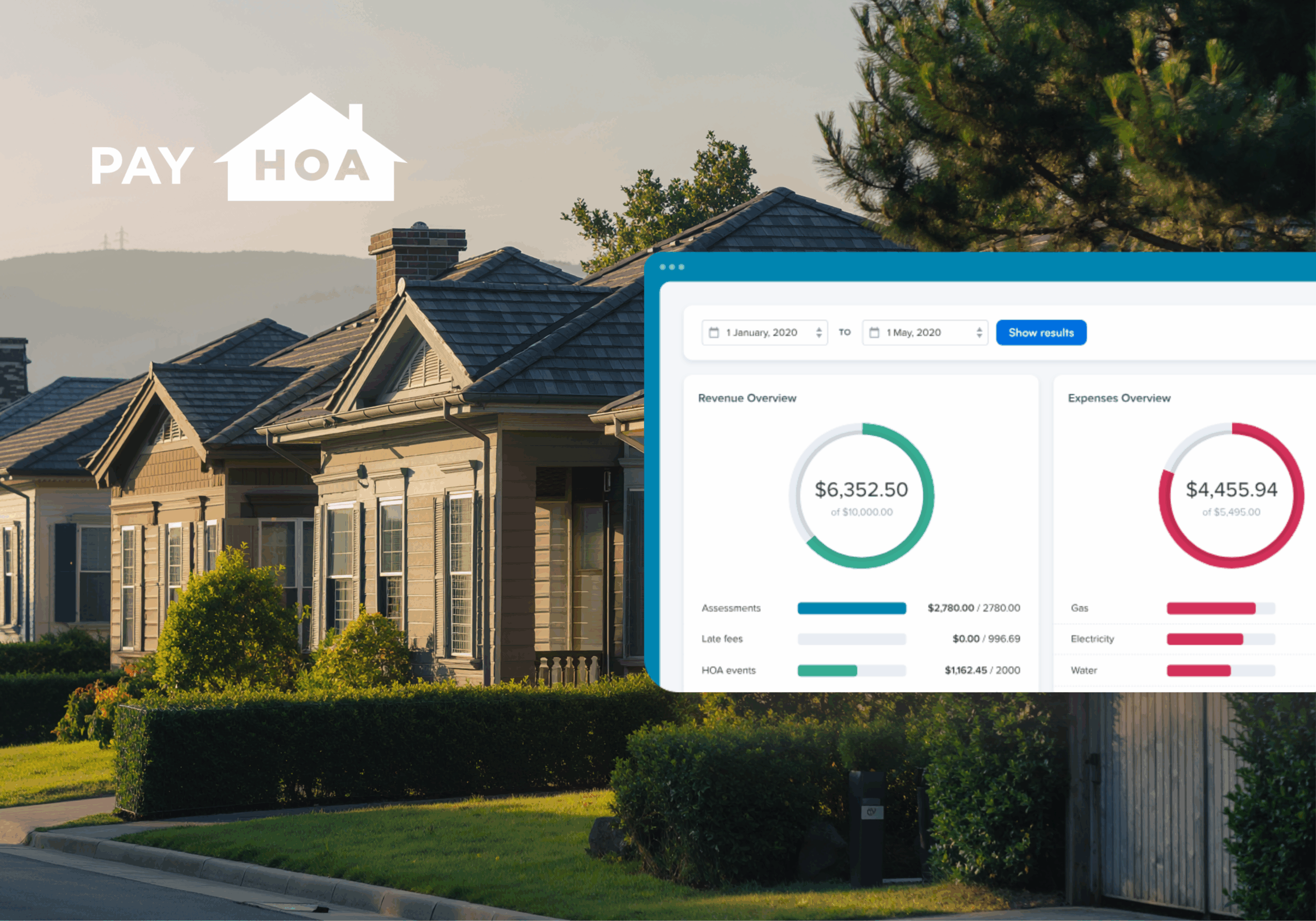
Understanding HOA Financial Reports
Key Takeaways: Why Financial Reports Are the Invisible Backbone of Your Community If you’ve ever…
7 Critical HOA Bookkeeping Mistakes Volunteers Make
Key Takeaways The High Stakes of Volunteer Accounting You didn’t volunteer to become an accountant….
What’s the Difference Between HOA Management and Condo Management?
Key Takeaways: Introduction You’re shopping for condo management software because you’re tired of juggling spreadsheets,…