
 Jesse Hitt • 16 Apr 2026 • 7 min read
Is Data Protection Part of Your Homeowners Association Management Strategy?
Key Takeaways
- Data security is a financial and legal responsibility, not just a technical IT concern.
- Transitioning from paper records and spreadsheets to secure portals reduces the risk of exposed data and manual input errors.
- Multi-factor authentication and role-based access controls serve as the digital deadbolts of a modern community.
- Regular audits and thorough vendor vetting protect the association from third-party vulnerabilities and data breaches.

The New Frontier of HOA Responsibility
Managing a neighborhood involves more than coordinating landscaping schedules or ensuring timely trash pickup. Board members must oversee thousands of dollars in assessments and maintain sensitive resident information. Effective HOA management requires a digital-first security mindset.
When a homeowner pays their dues online or a board member uploads a contract, data is exchanged that must be protected with the same level of care as the community’s physical assets. Because volunteers often manage these tasks in their spare time, it is easy to overlook the technical vulnerabilities in basic digital communications.
The stakes of digital negligence are high. A data breach involving homeowner bank accounts or personal identification can lead to legal liability for the association and loss of community trust. Volunteers who lead their neighborhoods often find they are effectively running a small corporation that handles high-value transactions. So, it’s essential to build a resilient community that can withstand modern cyber threats.
You are managing your neighbors’ private information, and security is not a project with a specific end date. It should be the backbone of your community. And it requires an ongoing culture of vigilance. Understanding the vulnerabilities of old-fashioned paper-based systems and the strengths of modern encrypted platforms can help you provide the peace of mind every resident expects. Safeguarding the invisible backbone of your community is as important as maintaining the visible infrastructure.
What Is A Fiduciary, And Why Am I One For My Neighborhood
Board members operate under a fiduciary responsibility or “duty of care” to protect association assets. Today, those assets include digital data.
Think of yourself like the security gate for your community’s private info. Failing to implement security measures can leave boards personally liable for financial losses. This is why professional homeowners association management requires a rigorous approach to data storage.
“How much sensitive information can an HOA even have?” It’s a common question with a bigger answer than most people think.
Associations handle sensitive names, bank accounts, addresses, and sometimes even social security numbers, all in one place. It’s everything someone would need to steal an identity.
Storing these in unlocked cabinets or on personal laptops creates extreme vulnerability. Managing HOA Finances requires moving away from antiquated methods to ensure data remains encrypted and out of reach.
Unlike physical theft, unencrypted digital files are easily exploited via phishing. Hackers sometimes target HOAs because neighborhoods often lack sophisticated digital security. By treating data safety as a core duty, the board signals professionalism, building the community trust and security that residents value.
Best Practices For Homeowners’ Association Management Security
A centralized platform acts as a secure vault, keeping data in one encrypted location rather than scattered across notebooks, spreadsheets, and personal laptops. This keeps the data safe, for sure, but also helps prevent data loss during board transitions. Cloud storage provides redundancy and protection that local storage cannot match, ensuring records are always available for new boards, audits, and legal inquiries.
Dedicated systems also offer superior encryption. Data remains unreadable during transit or at rest without proper authorization. This technical protection is essential for professional homeowners’ association management. By centralizing operations, you reduce the attack surface and create a predictable security environment, ensuring management remains a safe, efficient process.
Digital Deadbolts: Essential Security Features To Look For
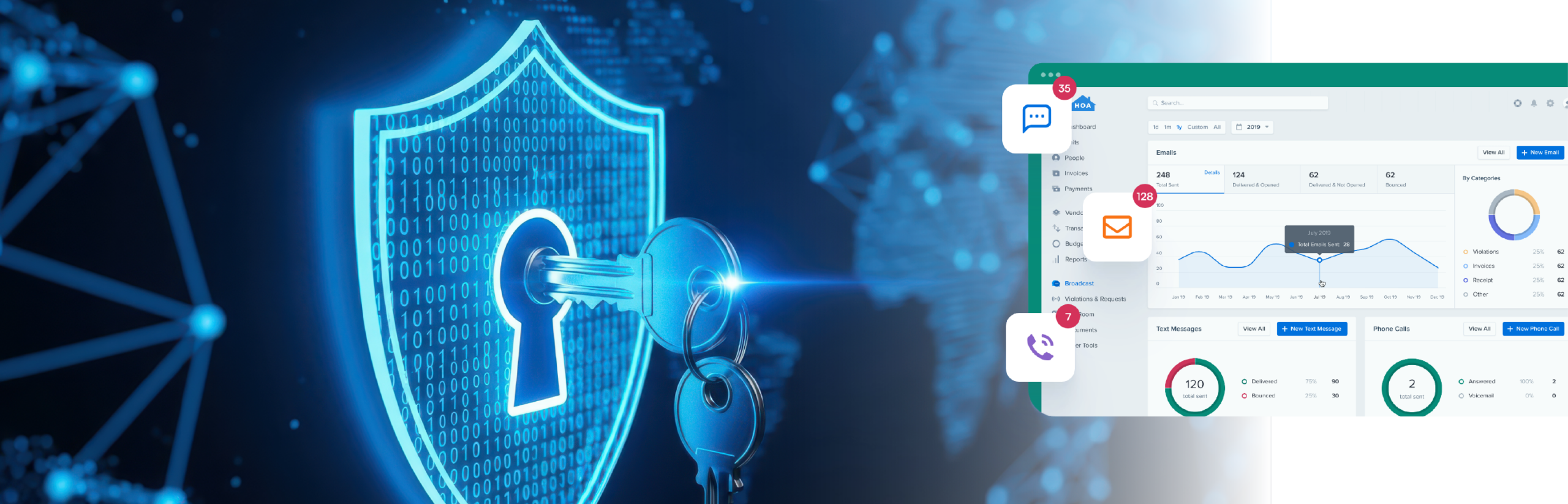
Prioritize “digital deadbolts” when evaluating community tools. Multi-factor authentication is critical; a password alone cannot protect bank ledgers. It requires a second verification code, making it a non-negotiable requirement for anyone accessing your management platform’s administrative backend.
Role-based access control is another pillar. Not every volunteer needs to see every financial statement. By limiting permissions to specific roles, the “principle of least privilege,” you minimize potential damage from compromised accounts and prevent internal errors.
Modern systems offer secure payment processing. Unlike vulnerable paper checks, understanding HOA accounting software uses secure gateways to tokenize financial data. The board never stores full account numbers, significantly reducing liability and improving transaction safety.
Finally, robust systems provide comprehensive audit trails. These digital records track who accessed the system and what changes they made. This transparency is vital for preventing fraud and ensuring accountability. It is a cornerstone of HOA software essentials, ensuring accurate, trustworthy financial records for the entire community.
Vetting Third-Party Vendors And Software
Most homeowner associations do not build their own technology from scratch; they rely on partners and vendors to provide the necessary infrastructure. However, you can’t assume every vendor has high security standards. Board members must ask the right questions to ensure their partners are meeting enterprise-grade requirements. You are essentially delegating fiduciary responsibility to these vendors, so a thorough vetting process is imperative.
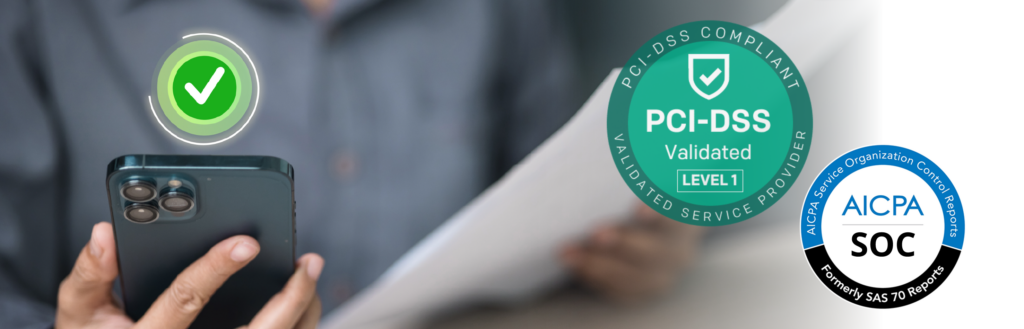
When seeking homeowners’ association management solutions, prepare a list of specific security questions to ask the provider. A professional partner will be happy to provide this information and will likely have a dedicated compliance certification demonstrating their commitment to data safety.
For instance, PayHOA uses AWS cloud infrastructure with bank-grade 256-bit encryption and backs up data every four hours. For Payments, all card information is handled exclusively by Stripe and never stored on PayHOA’s servers, so your community isn’t liable.
On top of the security tools, we invest more than $65,000 annually in ongoing penetration testing to proactively monitor the software’s security.
Ask where data is stored and if it’s physically secure. Confirm that the data is encrypted both during transmission and in storage. Ask how frequently data backups are performed and where those copies are kept. Find out the specific response protocol if the vendor detects a potential data breach.
Asking these questions helps you separate amateur tools from professional homeowners association management solutions. You want a partner that treats your community’s data with the same level of seriousness that a bank treats its deposits. By choosing vendors that prioritize security, you can focus on the human side of neighborhood leadership while the software handles the complex task of digital defense in the background.
Peace Of Mind For The Board And The Neighborhood
Security is an ongoing mindset to adopt. Protecting community data is one of the most effective ways to ensure long-term neighborhood stability. Residents who know their information is safe and their finances secure are more likely to participate in community life and support the board’s initiatives. It doesn’t take an advanced technical degree to run a secure board, but you’ll need the right tools and a consistent commitment to best practices. Move away from fragmented, manual systems and embrace secure, centralized platforms, and you’ll fulfill your fiduciary duty and protect your personal time.
Digital security is the best way to support the community’s invisible backbone. To stay up to date on all the latest security standards, review the Federal Trade Commission (FTC) Cybersecurity Guide and the Community Associations Institute (CAI) on Data Security resources. Ensure your neighborhood remains a safe, professional, and thriving place for everyone to call home. Reclaim your peace of mind and your community’s autonomy by prioritizing security in everything you do.
Sign up for a free trial to learn how our professional tools can help you protect your community’s sensitive data so you can lead with peace of mind.
Share this article:
Enjoyed this Article? Try Another!

HOA State Laws: What Every Board Needs to Know About Compliance
Key Takeaways HOA state laws are the statutes each state enacts to govern homeowners associations,…

The Guide to Colorado HOA Laws
Key Takeaways Serving on a Colorado HOA board, you likely have governing documents to follow….

How to Find a Good Lawyer for Your HOA
Key Takeaways A good HOA lawyer has proven experience in community associations in your state,…