
 Jesse Hitt • 25 Jun 2026 • 7 min read
Providing Transparency and Value to Your HOA Members
Key Takeaways
- Actively maintaining community amenities and curb appeal directly stabilizes neighborhood property values.
- Boards that inherit neglected infrastructure almost always face a member-trust problem alongside maintenance backlogs.
- Transparency is the most affordable amenity, paying for itself through higher collection rates and fewer complaints.
- Proactive updates and accessible digital portals shift the homeowner-board relationship from adversarial to collaborative.

Residents don’t always make the connection between their dues and their home value, but HOA boards fund the services and amenities that protect property values. The boards that communicate this fact clearly are the ones that retain member trust, even when fees increase.
The entire community benefits when homeowners understand how their financial contributions support the entire neighborhood. Good HOA management is rooted in transparency, even if it means tooting your own horn sometimes. By implementing clear communication strategies and modern homeowners association management tools, volunteer leaders can demonstrate tangible financial value, justify assessments, and build lasting neighborhood confidence.
Why Members Question the Value of Their Dues
Most homeowners only think about their HOA when something goes wrong. Negative touchpoints often dominate members’ perception of their homeowners’ association and its management. The default mental model for new homeowners is that dues are a tax. Without a clear operational context, every financial adjustment feels punitive rather than necessary to sustain local operations.
Routine expenses such as professional landscaping, reserve contributions, pool chemicals, and insurance premiums remain largely invisible. This lack of visibility leads to predictable objections during annual meetings. Board members frequently encounter variations of the same questions every year:
- “Why did dues go up when nothing changed?” This concern typically reflects rising insurance premiums, updated reserve study findings, or vendor contract renewals that the board did not proactively communicate.
- “Where does my money even go?” The annual budget exists, but it often lives in a complex spreadsheet that residents cannot access or find difficult to interpret.
- “We don’t even use the pool, clubhouse, or tennis courts.” This objection occurs when a homeowner views amenities strictly as recreational options rather than essential components of property value protection.
Inheriting a neighborhood where infrastructure has already declined doubles the board’s workload. Leaders must simultaneously rebuild the physical community and restore neighborhood faith in the way funds are being spent. This challenge highlights why transparency is the cheapest and most impactful amenity a board can offer.
Showing Members Where Their Money Goes
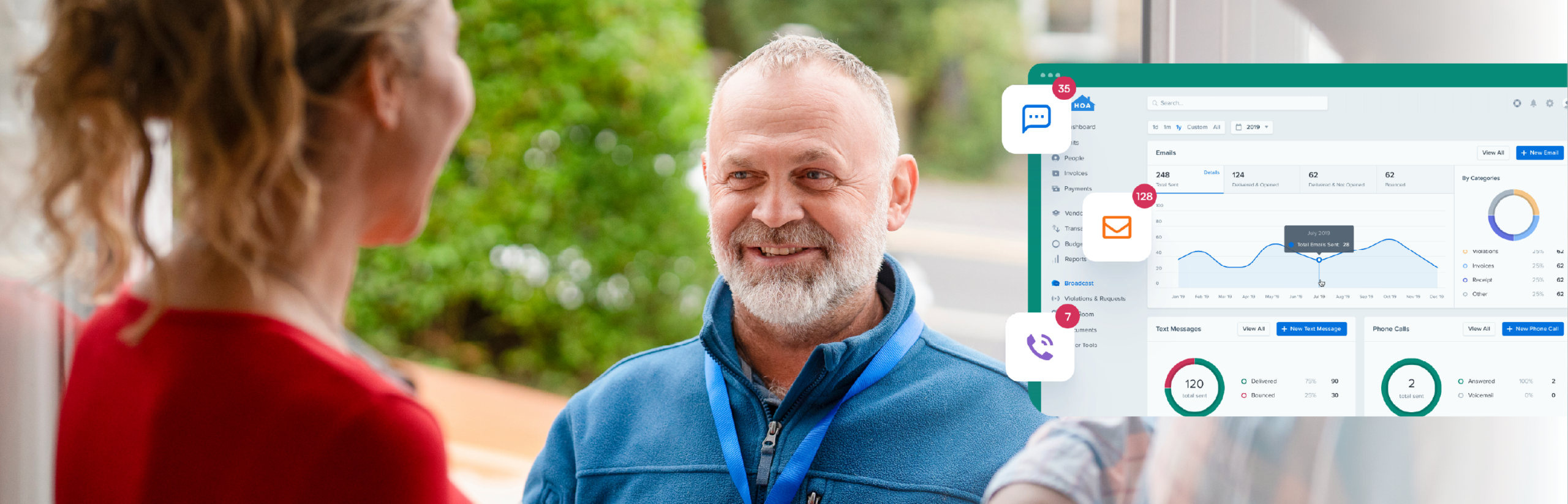
To counter skepticism, boards can translate a complex corporate budget into a simple, easily understood financial breakdown using PayHOA’s budget management tools. Instead of sharing an overwhelming annual ledger, present operational data as a per-home, per-month figure.
Consider the math for a 100-home community operating with a $60,000 annual budget. This total breaks down to $50 per home each month. A board can illustrate the allocation through a straightforward monthly division:
- Landscaping: 30%
- Reserve fund contributions: 20%
- Master insurance policy: 6%
- Community amenities: 20%
- Professional services: 4%
- Common area utilities: 10%
- Administrative expenses: 10%
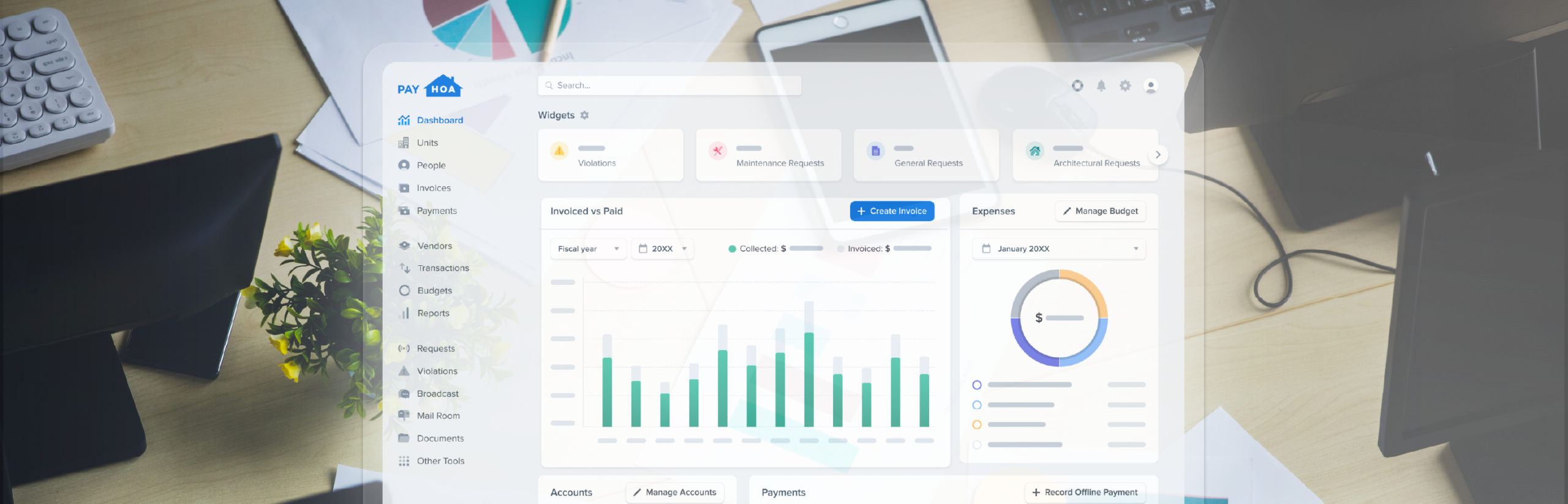
For prime visibility, your board can use PayHOA software to generate a one-page graphic that breaks down the allocation of dues for the welcome packet for new homeowners, publish it prominently on the community portal, and attach it directly to the annual meeting agenda before it’s distributed to homeowners. When residents can see that a significant portion of their payment directly funds neighborhood preservation, their objections will be limited. Using digital HOA management tools to distribute financial information demonstrates that the board is actively managing HOA finances rather than rubber-stamping vendor invoices.
Amenities, Property Values, and the Cost of Letting Things Slide
Common areas are the most visible example of your community’s dues at work. Entrance signage and beautification, parks and playgrounds, swimming pools, tennis courts, and well-maintained sidewalks are physical evidence that dues are being put towards neighborhood needs.
Property values tend to correlate with curb appeal. And amenities go a long way toward making a community feel nicer and maintain real estate value, according to research from the Foundation for Community Association Research. If those spaces fall into disrepair in a community, individual homes face lower sale prices and longer days on the market.
If a board defers necessary maintenance to artificially suppress fees, the savings are brief, and the long-term costs are high. A quick fix that would have cost a few thousand dollars can quickly snowball into a capital expense, draining the association’s reserves or forcing an emergency assessment.
Rebuilding a neglected association
New board members who take over a community with deferred maintenance issues must adopt a realistic strategy. Using PayHOA record-keeping tools to create a comprehensive “state of the community” document helps reset neighborhood expectations. This report should clearly outline current reserve study findings, list the top deferred maintenance items, and present a practical timeline for repairs.
Understanding the board’s fiduciary duty
Every decision to maintain or neglect common infrastructure ties directly to fiduciary responsibility. Volunteer leaders have an explicit legal obligation to maintain common areas in accordance with the community’s governing documents. Ignoring this duty exposes the association to operational liability and, in certain jurisdictions, individual board members too. The Community Associations Institute’s reserve study guidance helps boards meet their legal obligations while protecting neighborhood infrastructure.
Communication habits and practical strategies that build member buy-in
Boards that communicate proactively spend significantly less time reacting to and defending their decisions. Short, monthly updates eliminate speculation about board activity and clarify operations before regular payments come due.
- Monthly recaps: Use mass communication tools such as automated emails to distribute a brief, easy-to-understand overview detailing what the board approved, what expenses were paid, and what projects were discussed during the latest session.
- Dedicated homeowner portals: Leverage PayHOA’s website builder to provide a centralized digital hub where residents can check account balances, review payment histories, track architectural requests, and view community documents independently.
- Interactive annual meetings: Open the annual assembly with a clear visual presentation highlighting the previous year’s operational successes, challenges, and budget variances.
Establishing an explicit escalation path for homeowner inquiries is equally valuable. Setting clear boundaries ensures that volunteer treasurers are not fielding unexpected operational questions late into the evening. Using modern HOA software helps organize these workflows by automatically routing questions to the correct point of contact.
Volunteer boards perform substantial behind-the-scenes work and should share those efforts with the neighborhood. Presenting this hard work as a positive benefit to the community, rather than a complaint, reminds residents of the value delivered by their neighborhood leadership. Homeowners generally assume no action is being taken unless the board says otherwise.
Frequently Asked Questions
Can an HOA board justify a dues increase mid-year?
Yes, an association can implement a mid-year adjustment if the community’s governing documents explicitly permit it. However, most volunteer boards prefer to align fee changes with the annual fiscal budget cycle to ensure predictability for residents.
What is the best way to communicate changes to dues?
Boards should provide a formal written notice containing a line-item rationale for the adjustment. Delivering this documentation at least 60 days before the change takes effect gives homeowners ample time to adjust their personal finances.
What if members still push back against financial changes?
The best approach is to host an open question-and-answer session where leaders can share the latest independent reserve study. Inviting interested residents to join a volunteer finance committee also opens up the process and builds broader community consensus.
Modern Homeowners Association Management Tools for Community Success
Homeowners trust volunteer boards that consistently show their work. This operational transparency directly results in healthier collection rates, fewer administrative escalations, and protected property values across the neighborhood. Dedicated automation tools make a volunteer role simple and fast, rather than time-consuming and error-prone. To optimize your community’s operations and improve communication, try PayHOA’s comprehensive management platform for free for 30 days.
Share this article:
Enjoyed this Article? Try Another!
HOA Special Assessments: When They’re Necessary and How to Communicate Them Without Losing Trust
Key Takeaways An HOA special assessment is a one-time charge to owners when the association…

What Is a Convenience Fee? Surcharges and Convenience Fees Explained
Key Takeaways It’s a fair question, and the answer depends on which charge you’re talking…

The Guide to Tennessee HOA Laws
Key Takeaways Serving on a Tennessee homeowners association board, you’re used to being the last…