
 Jesse Hitt • 05 Feb 2026 • 6 min read
Reclaim your time: 5 ways to save 10+ hours with HOA management software

Key Takeaways
- Board service becomes a part-time job when manual processes pile up.
- HOA management software automates tedious tasks, such as invoicing and late fees.
- Digital workflows reduce inbox chaos and keep requests moving without constant follow-ups.
- Centralized records build trust by making answers easier to find.

The hidden cost of volunteer leadership
No one signs up to manage an HOA expecting it to become a part-time job. But between chasing checks, fielding repeat questions, and reconciling accounts by hand, that’s exactly what happens. It’s digging through email threads to find a document you know exists somewhere. It’s explaining the same policy to three different residents in three different ways. It’s trying to run a neighborhood with tools never built for ongoing governance.
Volunteers feel the weight because they’re the ones holding the process together. Most want the same outcomes: fewer loose ends, less busywork, and a community that runs smoothly without constant prodding.
Time is not only lost to big projects. It also leaks through small, repetitive tasks that could be automated. With the right workflows, many boards reclaim 10 hours or more each month, and the role starts to feel manageable again.
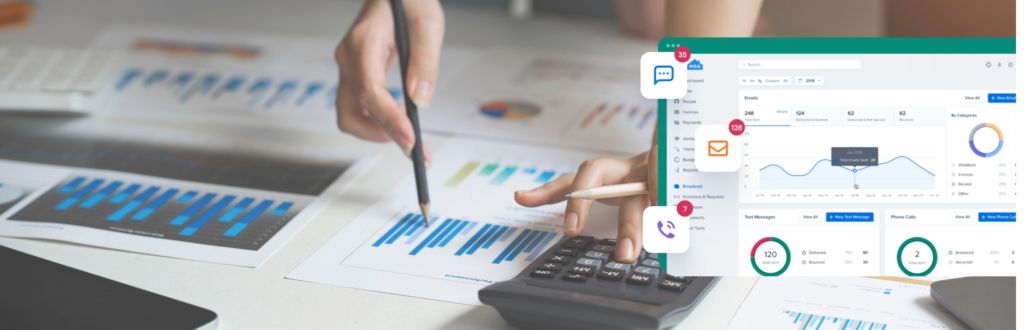
How HOA management software saves 10+ hours each month
The fastest wins come from fixing the tedious and repetitive work that tends to pile up. Below are five practical changes that remove bottlenecks without lowering standards.
1. Automate dues collection so you stop chasing checks
Paper checks create friction for everyone.
- Residents forget.
- Volunteers send reminders.
- Someone updates a spreadsheet that nobody trusts.
- A homeowner insists they already paid.
- The board spends time proving what happened.
Online payments and autopay turn this into a predictable system. Invoices go out on schedule, reminders follow automatically, and residents can pay without hunting for a stamp. Instead of tracking who promised to pay, you can track what actually happened.
If your board wants a clear picture of how this improves accuracy and reduces stress, start with Managing HOA Finances. Payments become easier for residents, collections become easier for volunteers, and the tone of every dues conversation improves.
2. Let late fees and receipts run consistently, even when volunteers are busy
Manual late fees create neighbor drama because any inconsistencies will feel unfair. One homeowner gets a fee, another slips through, and suddenly the board is debating exceptions instead of following policy. Automation applies the same rules consistently, removing personal judgment from the process.
Receipts matter, too. When residents receive confirmation right away, the board fields fewer “Did you get my check?” messages. Over a month, those small questions add up to real time. Over a year, consistent enforcement builds credibility because residents see that policies are applied evenly.
3. Reduce reconciliation time with organized, audit-ready records
Reconciliation is a quiet time sink. Even if you don’t mind numbers, the process is slow when you are matching deposits to owners, hunting for memo notes, and comparing bank statements to your records line by line.
A platform with built-in HOA Accounting Software reduces manual entry and keeps your books in one system. Instead of rebuilding the story of the month from scattered tools, you review a clean ledger that is designed for association accounting. That can shrink reconciliation from a multi-evening task to a focused check-in.
It also lowers risk. When records are current and consistent, reports are easier to produce, and questions feel less like accusations because the answers are accessible.
4. Centralize communication so the inbox stops running your life
Most communities do not have a communication problem. They have a system problem. Important updates scatter across email threads, texts, printed flyers, and word-of-mouth. Residents miss information, then the board spends more time clarifying what was already sent.
Centralized communication tools solve this by keeping messages in one place with a searchable history. When a homeowner asks, “When did you announce the pool closure?” the board is not guessing. You can reference the record and move on.
Tone matters, too. When volunteers are tired, messages can sound sharper than intended. Some boards use drafting support to write clearer, more consistent updates on sensitive topics such as rule reminders or policy changes. The goal is not to sound robotic. The goal is to sound calm, fair, and consistent, even on busy days.
For boards writing or revising amenity policies, the Community Associations Institute offers practical guidance in Implementing HOA and Condo Clubhouse Policies. Clear rules paired with steady communication habits can prevent disputes before they start.
5. Move requests and amenity scheduling online to eliminate email ping-pong
Requests make time disappear. Architectural approvals, maintenance issues, and amenity bookings often arrive as half-complete emails with missing details. Volunteers then spend time asking follow-up questions, collecting photos, and figuring out who should respond.
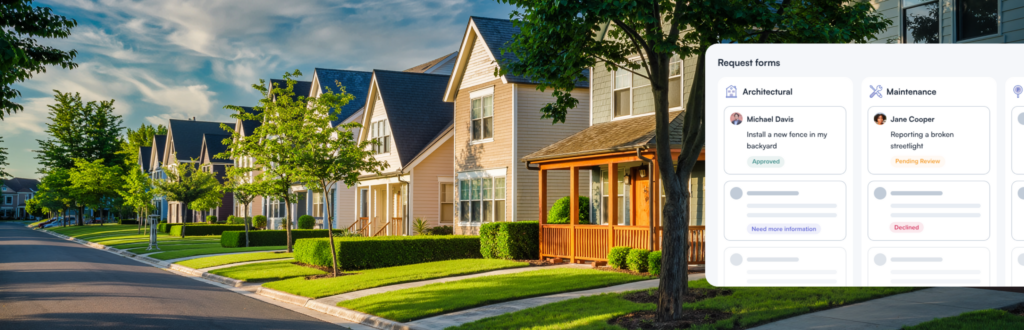
Digital forms fix this at the source. Residents submit requests with required fields, photos, and attachments up front. The board can review and respond in one place, and the history stays attached to the request. No more “Can you resend that?” messages, and no more decisions made with incomplete information.
Amenity scheduling is another immediate win. When residents can book the pool or clubhouse themselves, volunteers no longer need to serve as calendar managers. Bookings are logged automatically, conflicts are visible before they happen, and the board has a clear record of who reserved what and when, without manual management.
What 10 hours back actually changes for a board
Saving 10 hours is not only about the calendar. It can change how the board feels. When you don’t have to remember who needs a follow-up, you can show up to meetings ready to make decisions. When homeowners can find documents and answers themselves, the board stops being the neighborhood’s customer service desk.
Volunteers get their evenings back, which makes it more likely they’ll stay in their roles long enough to finish projects that matter. They get a system that runs like a well-oiled machine, making them more willing to invest time in improving the community rather than patching broken processes.
Residents benefit, too. Faster responses, clearer rules, and more consistent records reduce friction. Over time, this kind of operational polish shapes how people talk about the neighborhood, and it affects whether future volunteers feel comfortable stepping up.
Leave a legacy you’re proud of
Board service shouldn’t require sacrificing your personal life to keep the basics running. With better workflows, you can shift from busywork to stewardship and spend your energy on the work that improves the neighborhood.
HOA management software makes your volunteer job simple and fast, not time-consuming and error-prone. Get started today with a 30-day free trial.
Share this article:
Enjoyed this Article? Try Another!
The State of Community and Association Management: Trends, Regulation, and Technology Shaping the Future
Executive Summary When community leaders are equipped with the right tools and direction, they can…

Beyond the Sign-Up Sheet: How HOA Software Can Simplify Amenities Scheduling
Key Takeaways The Calendar Problem Nobody Signed Up For Most boards adopt HOA Software to…

Streamline Resale Documents: How In-App Processing Saves Time
Key Takeaways When a homeowner decides to move out, the HOA board assumes responsibilities critical…